

A new initiative aims to create a digital ‘twin’ of the UK, using AI and big data to help meet the country’s net zero emissions target by 2050. Funded by a £2.5 million grant from UK Research and Innovation, this project focuses on reducing emissions from land use, particularly from cattle and sheep farming and degraded peatlands, which together account for about 10% of the UK’s emissions.
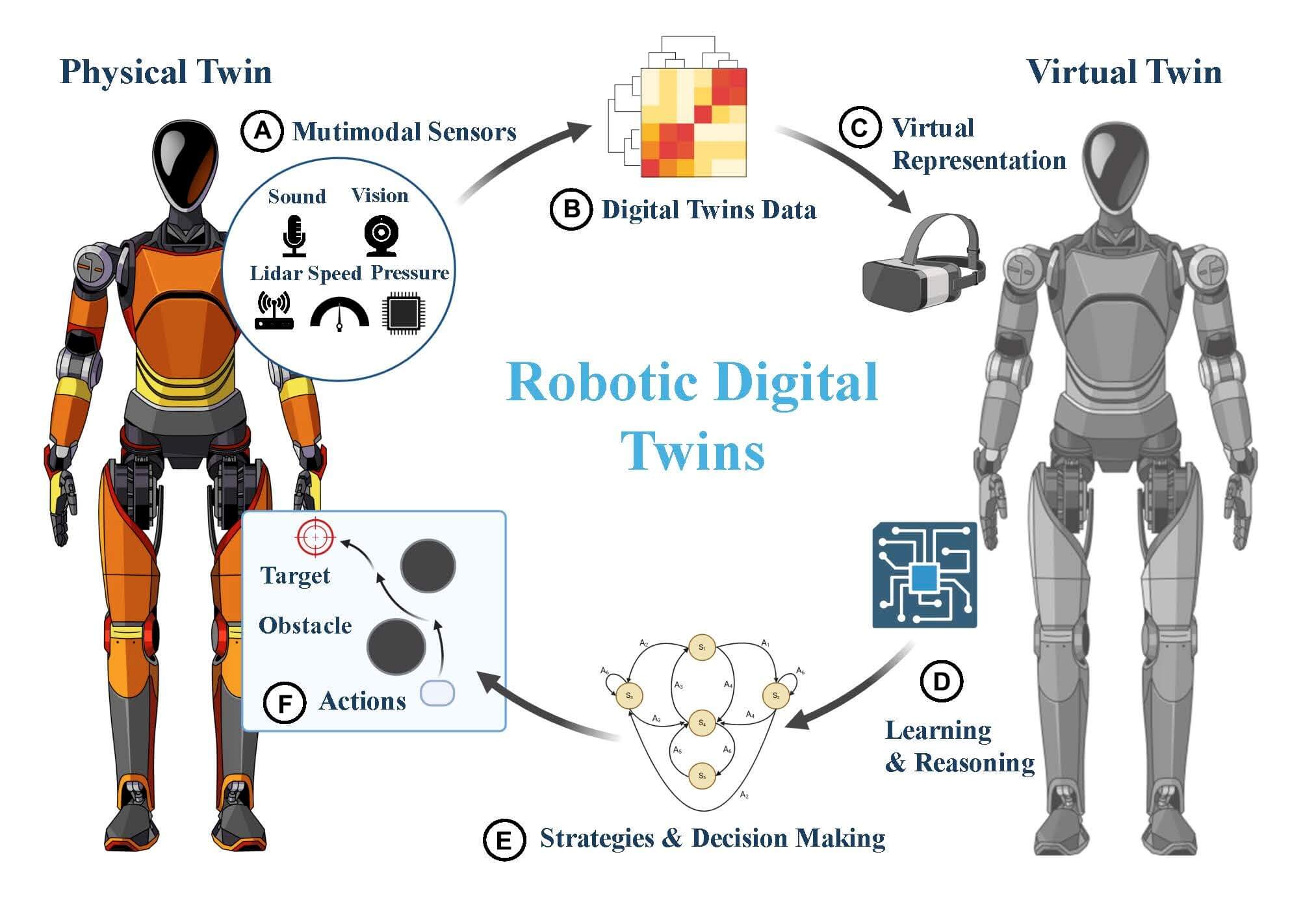
The digital twin will be an up-to-date digital model of the real world, constantly refreshed with data from satellites, field instruments, and other sources. This smart system will learn and adapt, providing actionable insights for more sustainable land use decisions.
The project’s lead, Professor Baihua Li from Loughborough University, highlighted the importance of integrating intelligent technology into agriculture to improve livestock welfare and productivity while reducing emissions. The research team includes experts from several universities and the National Centre for Earth Observation (NCEO), combining their knowledge in AI, environmental science, greenhouse gas measurement, and social sciences.
The project, titled “Self-Learning Digital Twins for Sustainable Land Management,” started on May 1, 2023, and will run for 23 months. It aims to develop new technologies crucial for the UK’s path to net zero emissions. The team will work closely with industry leaders and the farming community to create AI tools that offer practical advice on reducing emissions.
Professor Heiko Balzter from the University of Leicester and NCEO, a key investigator, emphasized the need for new technologies to help the UK achieve its net zero goal. The project team includes not only environmental and computer scientists but also social and behavioral scientists to address barriers to AI adoption and ensure the technology is user-friendly and ethical.
Professor Ashiq Anjum from the University of Leicester is spearheading the AI research, focusing on creating self-learning digital twins. These models will be fine-tuned with AI to provide accurate and reliable data for managing net zero scenarios.
Additionally, Professor Matthew Rigby from the University of Bristol highlighted the potential of machine learning to analyze environmental data in innovative ways, combining multiple data streams to better understand the UK’s greenhouse gas emissions. Professor John Remedios from NCEO noted that this digital twin will help test and predict outcomes related to food and carbon, offering a model for other net zero initiatives.
The project involves various partners, including CGI, FNK Designs, Geospatial Insight, MAXAR, and Planet Labs. They will collaborate with the Cattle Information Service and Silvasheep to integrate their expertise into the project, enhancing the overall approach to achieving net zero emissions.
In conclusion, this digital twin initiative represents a significant step towards the UK’s net zero goals, combining cutting-edge AI with extensive environmental data to create actionable insights for reducing emissions in agriculture and beyond.