
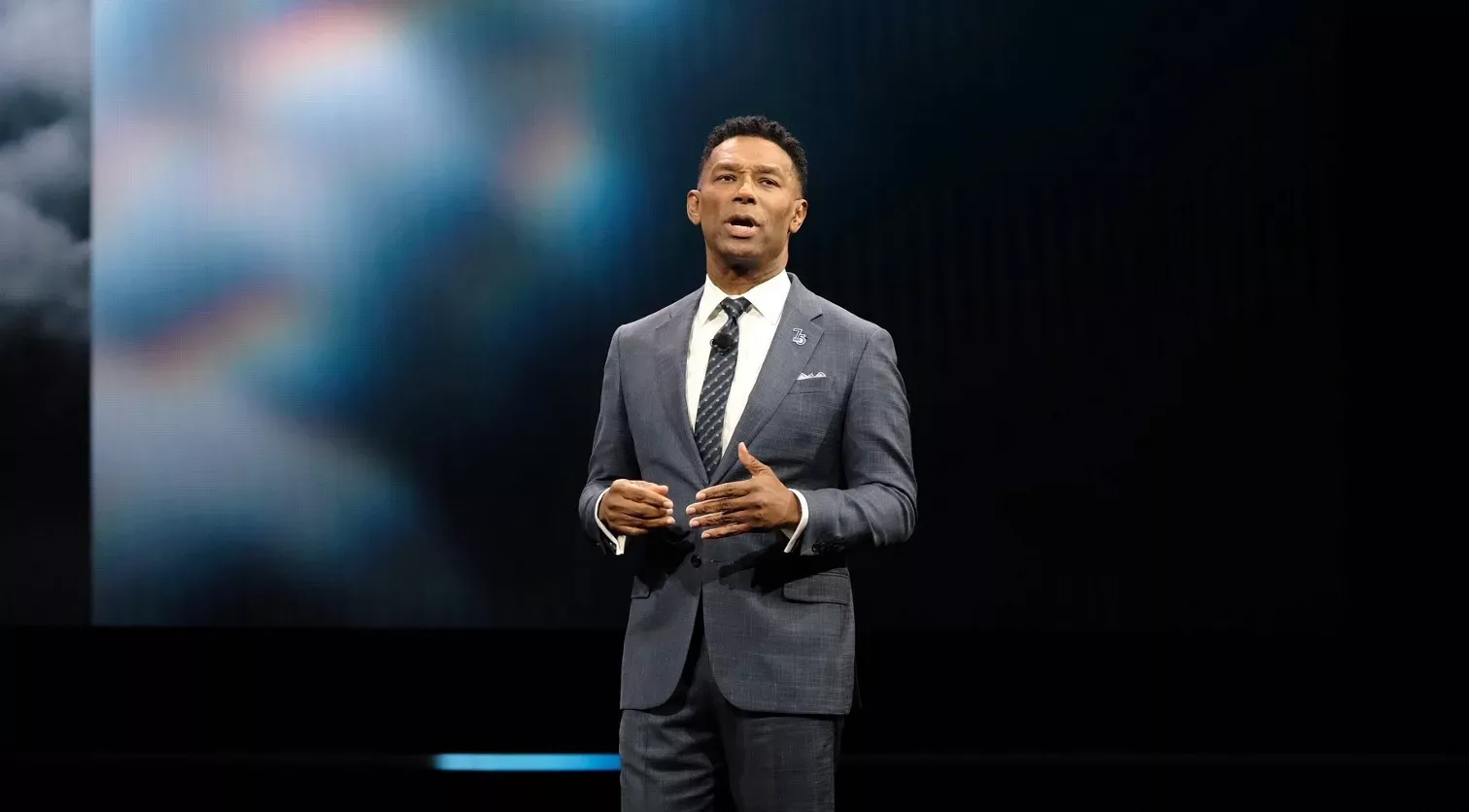

The HR profession faces a “polycrisis,” according to SHRM CEO and President Johnny C. Taylor Jr., who highlighted a series of significant challenges during the Society for Human Resource Management’s annual conference opening session.
Taylor emphasized that despite a sense of relative calm following the initial disruptions of the COVID-19 pandemic and societal reckonings like the aftermath of George Floyd’s murder, greater disruptions lie ahead for HR professionals. He warned that “a storm is coming for HR.”
One major challenge Taylor identified is the state of education, particularly K-12, which he criticized for not keeping pace with workforce demands. The pandemic exacerbated issues such as falling behind in core skills like math and reading, as well as chronic absenteeism, leaving graduates ill-prepared for essential professional skills like critical thinking and adaptability.
Adding to the complexity, Taylor noted the rapid evolution of technology and the increasing demands on workers to possess a broader range of skills. He stressed that HR will need to play a crucial role in upskilling both recent graduates and older workers, who represent a growing segment of the workforce.
Another looming challenge Taylor highlighted is the rise of artificial intelligence (AI) and its impact on the workplace. Despite the potential benefits of AI if implemented effectively, Taylor pointed out a widespread perception gap: only a small percentage of HR professionals and workers believe organizations are currently using AI effectively.
Looking ahead, Taylor underscored the urgency for HR to engage deeply in conversations about AI deployment and policy, emphasizing that AI’s integration into the workforce is inevitable and will profoundly impact job markets globally.
Lastly, Taylor addressed the issue of workplace civility, expressing concern over rising incivility and division among employees. Citing SHRM data showing high incidences of incivility in workplaces, Taylor emphasized HR’s role in fostering a civil work environment, noting that incivility can escalate into more serious compliance issues.
In conclusion, Taylor urged HR professionals to confront these challenges with courage and proactive engagement, asserting that SHRM will play a pivotal role in shaping policy and providing resources to navigate these turbulent times for the HR profession.