

The landscape of next-generation EV batteries continues to evolve rapidly, with solid-state technology and lithium-sulfur formulas emerging as key contenders. While solid-state batteries have garnered significant attention, lithium-sulfur batteries offer promise due to sulfur’s abundance, low cost, and non-toxic nature. However, researchers face challenges in overcoming chemical and mechanical degradation issues.
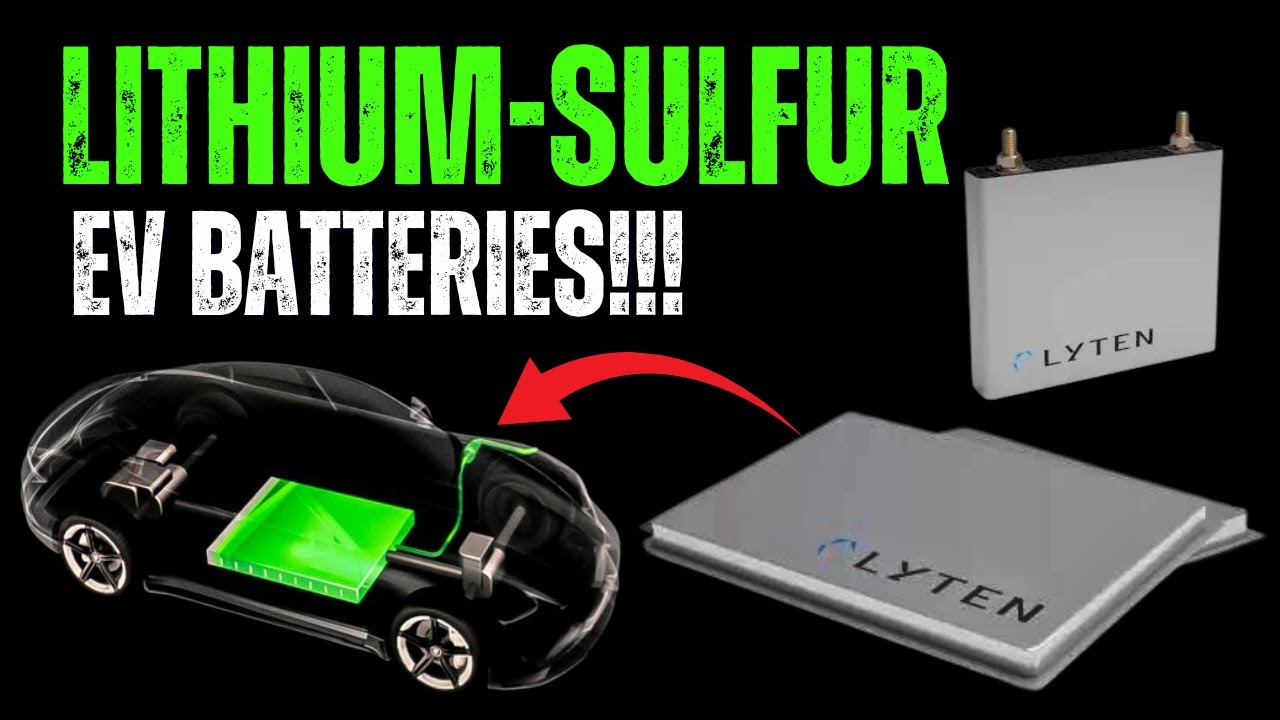
Lyten, a California-based startup, is among those tackling the lithium-sulfur challenge. Recently, the company announced the shipment of A samples of its new lithium-sulfur pouch cells to automakers in the US and EU for evaluation. While this marks progress, it’s a long road to commercial-level production. Lyten’s pilot-scale line, operational since last year, demonstrates the potential for rapid scale-up using standard lithium-ion manufacturing equipment.
The appeal of lithium-sulfur batteries lies in several factors. They offer higher energy density compared to lithium-ion batteries, potentially providing greater driving range or packing the same range into a smaller, lighter space. Additionally, the use of sulfur and a proprietary form of graphene in cathodes reduces costs by eliminating more expensive materials like cobalt and manganese. This also contributes to a lower carbon footprint, with Lyten projecting a 65% reduction in carbon emissions.
Moreover, lithium-sulfur batteries offer advantages in terms of supply chain reliability and national security. By sourcing materials entirely within the US and EU, these batteries mitigate dependence on foreign sources, aligning with strategic priorities.
Potential applications for lithium-sulfur batteries extend beyond consumer EVs. Stellantis, among other automakers, has shown interest, with Chrysler featuring the new batteries in its Halcyon concept car. Defense applications are also in focus, especially given recent legislation restricting the US Department of Defense from purchasing batteries from Chinese manufacturers starting in 2027.
Efforts to advance lithium-sulfur battery technology involve collaboration between industry and academia, with research initiatives supported by government grants. The Department of Energy, along with universities and private firms, aims to accelerate battery manufacturing and address key challenges.
While progress in the field of lithium-sulfur batteries has been steady, particularly in addressing degradation issues and improving performance, widespread adoption in defense applications and beyond will require further research, development, and collaboration. However, recent initiatives suggest a growing momentum toward realizing the potential of this promising technology.