
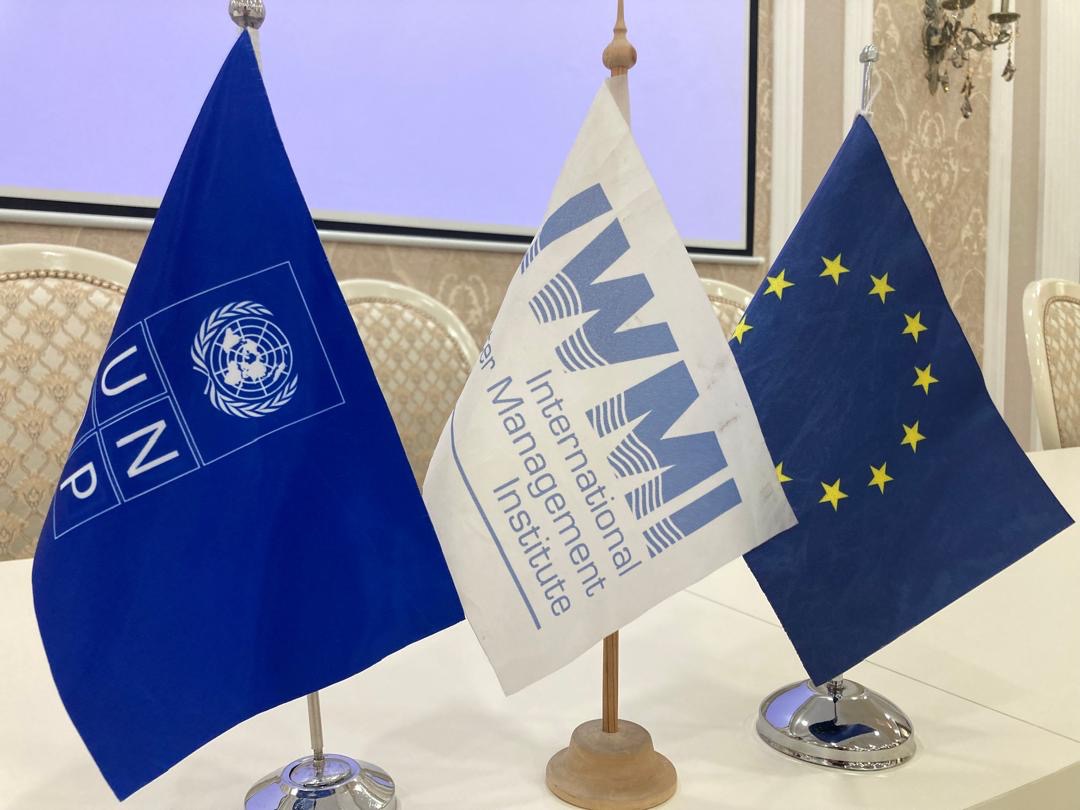

In Fergana, a pivotal seminar convened by the United Nations Development Programme (UNDP) and the International Water Management Institute (IWMI) addressed critical challenges and future opportunities in transboundary water management across Central and South Asia. This event provided a crucial platform for experts and stakeholders from regional and international arenas to exchange insights and foster cooperation.
Water resources play a fundamental role in ensuring food and energy security across Central and South Asia, amplifying the urgency of effective transboundary water management amidst climate change and population growth.
Matthew McCartney, leader of the IWMI research group, highlighted the significance of the seminar, noting that participants gained valuable perspectives on transboundary water management. He underscored that the discussions held during the seminar set the stage for ongoing dialogues and learning initiatives within the water sector.
Gulnaz Hamdamova from Uzbekistan Hydromet emphasized the timeliness of the seminar, stressing the need for collaborative solutions to water management challenges in transboundary regions. Experts from South Asian countries such as Bangladesh, Bhutan, Pakistan, India, and Nepal contributed best practices in water management, emphasizing the importance of enhanced infrastructure and regional cooperation to bolster water security.
Diluka Piyasena, Regional Coordinator at Global Water Partnership South Asia, drew attention to the gendered impacts of water management, advocating for inclusive policies that empower women in the sector. The UNDP’s regional project “Climate Change and Resilience in Central Asia” focuses on promoting climate-resilient development in the Fergana Valley, spanning Kyrgyzstan, Tajikistan, and Uzbekistan.
Mirzali Asatov, Head of Water Resource Management for the Karadarya, Syrdarya, and Amudarya rivers, highlighted the seminar’s role in facilitating dialogue among diverse stakeholders, including state representatives, academics, practitioners, women’s organizations, and NGOs.
Concluding with a commitment to ongoing support for regional dialogue and cooperation, the event reaffirmed efforts to manage transboundary climate risks and enhance community resilience to climate change impacts at the local level. The collaborative efforts between UNDP and IWMI aim to pave the way for sustainable water management practices across Central and South Asia, crucial for the region’s future development and environmental stability.