
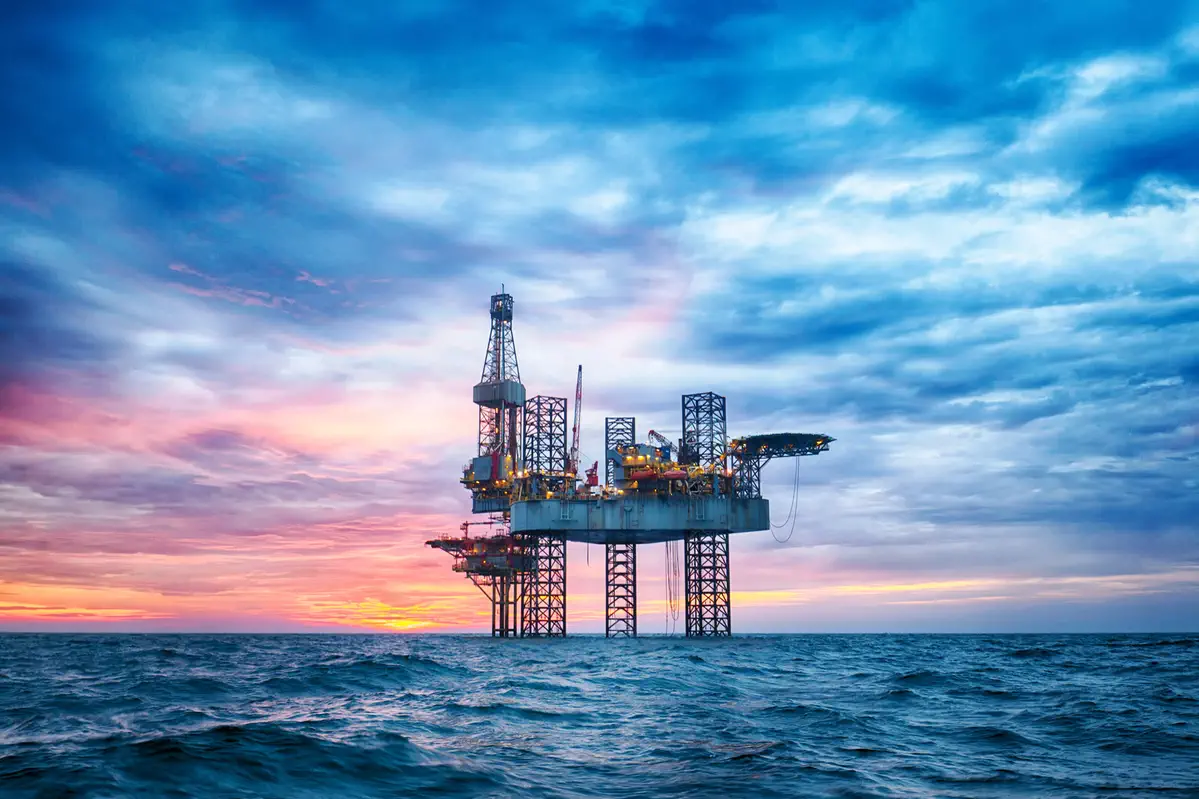

South Korea’s President Yoon Suk Yeol has given his approval to a plan for offshore drilling on the east coast, a move aimed at exploring potentially substantial reserves of crude oil and natural gas in one of the world’s largest importers of these resources.
During a press conference on Monday, President Yoon revealed that the area under consideration could hold as much as 14 billion barrels of oil and gas, according to studies reviewed by industry groups and experts.
The drilling site is located off the southeastern industrial port city of Pohang within South Korea’s Exclusive Economic Zone. Officials anticipate commencing drilling towards the end of this year, with hopes of discovering resources by the middle of next year. Commercial production from these exploratory prospects is targeted for 2035, with a significant portion expected to yield natural gas.
Given South Korea’s heavy reliance on imported fossil fuels, domestic oil and gas production could substantially alleviate some of the demand pressure. As the fourth-largest importer of crude oil and natural gas globally, according to the Korea National Oil Corporation (KNOC), and the ninth-largest energy consumer, South Korea sees domestic production as a crucial step towards energy security.
Despite aiming for net-zero emissions by 2050, South Korea’s energy strategy includes a significant role for nuclear power generation. Last year, the country announced plans to increase nuclear energy’s share in its electricity generation capacity to nearly one-third by 2030, while reducing the forecasted contribution of renewable energy from over 30% to 21.6%.
President Yoon has reversed his predecessor’s policy of phasing out nuclear energy over several decades, instead setting a target for nuclear energy to provide at least 30% of the country’s electricity by 2030. These strategic shifts underscore South Korea’s commitment to diversifying its energy sources while balancing environmental concerns with energy security needs.